
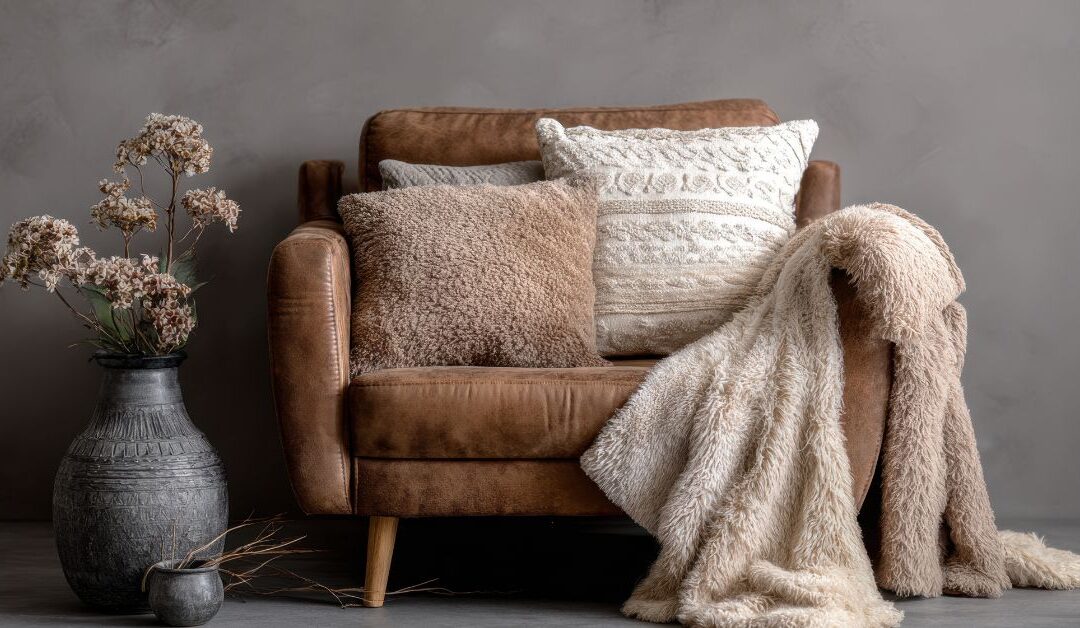
Soft materials can completely change the look and feel of your home. Whether you’re refreshing one room or redecorating the entire space, incorporating Stylish Soft Fabrics & Textiles is one of the easiest and most effective ways to create comfort, warmth, and visual interest. This guide walks you step by step through how to choose, layer, and style fabrics to transform your environment into a space that feels beautifully pulled together.
Step 1: Decide What You Need Textiles to Do
Before you start buying pillows and blankets, take a moment to think about what role your fabrics will play.
Are they meant to add:
- Cozy softness
- Color or pattern
- Durability for active living
- Functional comfort
Textiles are not just decorative. They help define ambiance, enhance comfort, and support how you use each space every day.
Step 2: Pick Fabrics That Match Your Lifestyle
Every home runs differently. If you have kids, pets, or lots of guests, durability should be a priority. In calmer environments, you may opt for more delicate textures.
Popular fabric choices include:
- Cotton and linen for breathable, everyday comfort
- Velvet and chenille for luxury and richness
- Boucle or woven textures for softness and visual depth
- Performance fabrics for easy cleaning and longevity
Choosing materials that fit your daily routine ensures style without sacrifice.
Step 3: Layer Textures for a Designer Look
Layering fabrics is what turns a simple room into a styled space.
Try this approach:
- Start with larger textile surfaces: couches, bedding, curtains
- Add mid-level elements: rugs, basic pillows, everyday throws
- Introduce accent pieces with bold textures or patterns
A room feels more inviting when it has multiple soft surfaces that you can see and physically interact with.
Step 4: Build a Cohesive Color Story
The smartest way to style fabrics is to choose a set palette and stick to it.
For best results:
- Select two to three main colors per room
- Use a bolder accent shade to create focal points
- Balance matte and plush finishes to add dynamic contrast
This approach keeps your design intentional rather than random.
Step 5: Extend Softness Beyond the Living Room
Fabrics shouldn’t be reserved only for your main gathering area. Spread comfort throughout your home, including spaces where you work.
For example:
- Add a textured throw to your office chair
- Use a soft rug under your desk
- Include calming pillows to reduce visual clutter
You can also support comfort and function by protecting your workspace flooring with a product such as the:
Office Rolling Chair Mat
https://purehomedesigns.com/product/office-rolling-chair-mat/
Small upgrades can improve productivity and make your workspace feel more thoughtfully designed.
Step 6: Maintain What You Style
Once your textile decor is set, simple care keeps it looking exceptional.
Helpful reminders:
- Rotate cushions to distribute wear
- Wash or refresh removable covers periodically
- Avoid long periods of direct sun exposure when possible
- Swap seasonal pieces in and out for renewed visual appeal
Maintenance isn’t about perfection; it’s about preserving the comfort and character you’ve created.
Textiles are one of the most versatile tools in home decorating. They add softness, style, personality, and practicality to every room in your home. By selecting the right fabrics, layering textures, coordinating color, and remembering your work areas, you create a balanced and uplifting environment where comfort meets beauty.
If you’re ready to continue transforming your home, keep exploring new décor ideas, try different combinations, and trust your personal sense of style. Small changes with soft fabrics can completely reshape the way your home feels.