
DIY home décor is one of the most rewarding ways to personalize your space. It allows creativity, saves money, and often results in one-of-a-kind pieces you can’t find in stores. But even the most enthusiastic DIY projects can fall flat without a bit of design awareness. The difference between “homemade” and “high-end” often comes down to avoiding a few common mistakes—and knowing how to fix them.
If your DIY efforts haven’t turned out quite as polished as you imagined, don’t worry. Here are the most common DIY home décor mistakes and the simple adjustments that can instantly elevate your space.
Mistake #1: Getting the Scale Wrong
One of the biggest DIY décor pitfalls is poor scale. Artwork that’s too small for the wall, furniture that overwhelms the room, or décor pieces that feel lost on large surfaces can throw off the entire balance of a space.
What to do instead:
When in doubt, go bigger. Large-scale art, mirrors, and statement pieces often look more intentional and designer-approved than several small items. For wall décor, aim for pieces that fill about two-thirds of the available wall space. For furniture, make sure there’s enough breathing room around each piece so the room doesn’t feel cramped or sparse.
Mistake #2: Over-Decorating Every Surface
It’s easy to fall into the trap of filling every shelf, table, and corner—especially after completing a DIY project you’re proud of. Unfortunately, too much décor can make even beautiful handmade pieces feel cluttered and chaotic.
What to do instead:
Embrace negative space. Designers intentionally leave areas empty to allow the eye to rest. Style shelves and surfaces with restraint, grouping items in odd numbers and varying heights. Rotate décor seasonally rather than displaying everything at once. Less truly is more when it comes to achieving a polished look.
Mistake #3: Mixing Too Many Styles at Once
DIY décor often involves collecting inspiration from many sources, which can lead to a space that feels mismatched or disjointed. When rustic, modern, boho, and glam elements all compete in one room, the result can feel more confusing than curated.
What to do instead:
Choose one primary style and one supporting style, then let everything else complement those choices. For example, a modern base can be softened with subtle rustic textures. Keeping a consistent color palette throughout the room also helps unify different DIY pieces and create visual harmony.
Mistake #4: Ignoring Proportion and Balance
Even well-made DIY décor can feel “off” if it’s not properly balanced within the room. A heavy piece on one side of a space, uneven wall arrangements, or décor clustered in one area can disrupt flow.
What to do instead:
Step back and view the room as a whole. Balance doesn’t mean symmetry—it means visual weight is evenly distributed. Pair heavier items with lighter ones, spread décor across the space, and use repetition to create rhythm. Sometimes simply shifting a piece a few inches can make a big difference.
Mistake #5: Choosing Trend Over Timelessness
Trends are fun, but relying too heavily on them in DIY projects can make your space feel dated quickly. Ultra-trendy colors, patterns, or finishes may look exciting now but lose appeal over time.
What to do instead:
Use trends as accents, not foundations. Stick to timeless colors and materials for larger DIY projects like furniture or walls, then incorporate trends through smaller décor items that are easy to update. This approach keeps your home feeling current without constant redoing.
Mistake #6: Poor Finishing and Details
Nothing gives away a DIY project faster than rushed finishes. Uneven paint, visible brush strokes, misaligned hardware, or sloppy edges can make even a great idea look unpolished.
What to do instead:
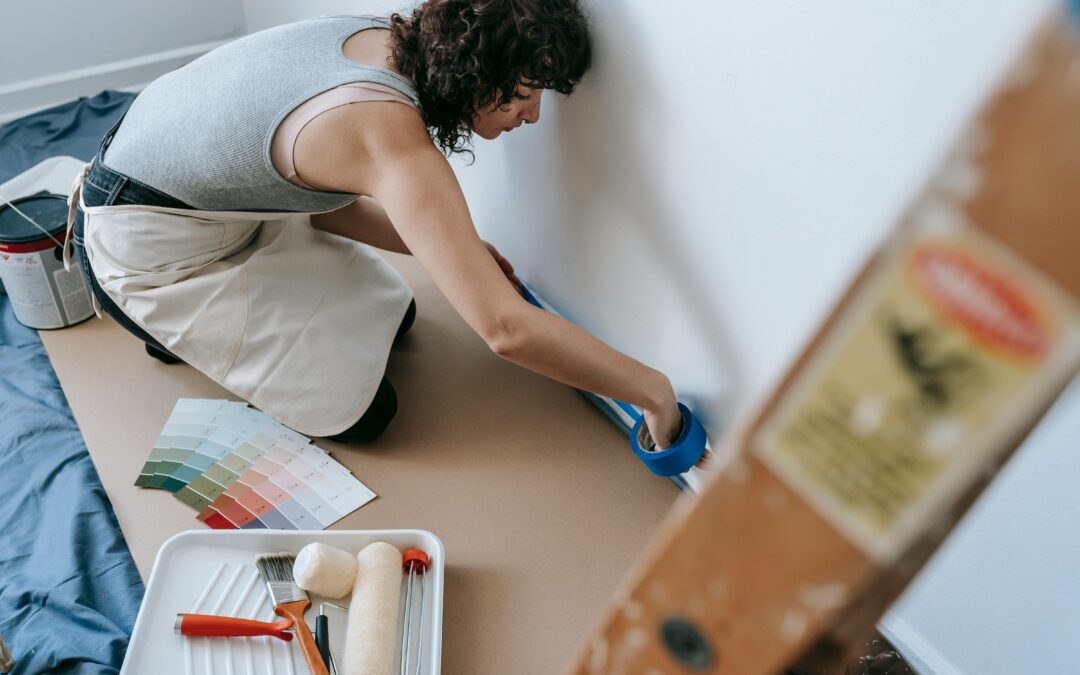
Take your time with prep and finishing. Sand surfaces properly, use painter’s tape for clean lines, and invest in quality tools when possible. These small steps make a huge difference and elevate DIY projects from amateur to professional-looking.
Mistake #7: Forgetting Function for the Sake of Style
DIY décor should enhance how you live, not get in the way. Projects that look good but aren’t practical—like shelves placed too high or furniture that blocks pathways—can create frustration over time.
What to do instead:
Design with daily life in mind. Make sure walkways are clear, storage is accessible, and furniture suits how you use the space. The best DIY décor balances beauty and function seamlessly.
Turning Mistakes into Design Wins
DIY décor doesn’t have to be perfect—it just has to be thoughtful. Most design missteps are easily fixable with a few strategic adjustments. By paying attention to scale, balance, cohesion, and finishing details, your DIY projects can look intentional, elevated, and designer-approved.
The goal isn’t to avoid mistakes entirely—it’s to learn from them. With a little awareness and refinement, your DIY home décor can move from “nice try” to “nailed it.”