
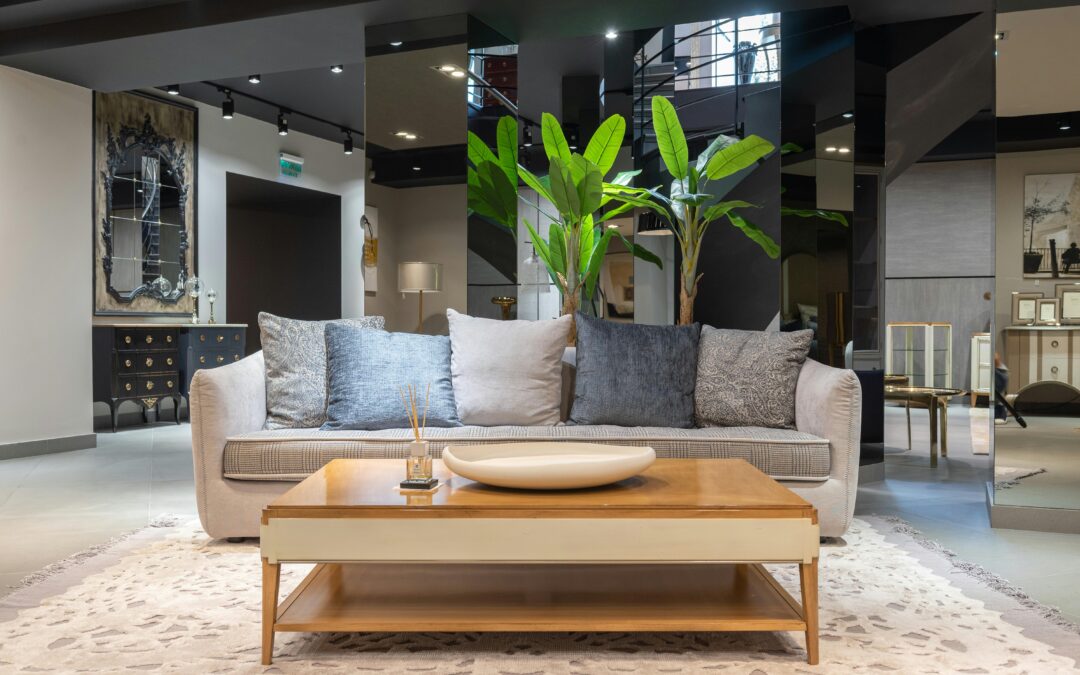
Luxury interiors often feel effortless—layered textures, architectural details, and statement pieces that look custom-made. The assumption? That achieving this level of style requires a designer budget. In reality, many high-end design trends are surprisingly simple to recreate with clever DIY projects and a thoughtful eye. With the right approach, you can give your home an upscale, curated look—without the upscale price tag.
From faux paneling to custom art and elevated storage, these DIY ideas prove that expensive-looking design is more about intention than investment.
Faux Paneling for Instant Architectural Impact
One of the quickest ways to make a room feel high-end is by adding architectural detail to the walls. Paneling—whether classic wainscoting, board-and-batten, or modern grid designs—instantly adds depth and structure. While custom millwork can be costly, faux paneling made from MDF strips or lightweight molding delivers the same visual impact for a fraction of the cost.
This project works especially well in dining rooms, bedrooms, and entryways. Once painted in a cohesive color—soft white for a timeless look or a deep, dramatic hue for a modern edge—the wall feels custom and intentional. It’s the kind of detail that makes guests assume a professional was involved, even though it’s completely DIY-friendly.
Custom Art That Looks Gallery-Worthy
Oversized art is a staple in luxury homes, but it often comes with a hefty price tag. DIY artwork offers a creative workaround that feels just as elevated—sometimes even more so. Large-scale abstract art, textured canvas pieces, or minimalist line drawings can be made using affordable materials like canvas, paint, joint compound, or fabric.
The secret to making DIY art look expensive lies in scale and simplicity. One large piece often looks more refined than several small ones. Neutral palettes, subtle textures, and clean frames give your art a gallery-inspired feel. The result is something personal, unique, and perfectly tailored to your space—something money alone can’t buy.
Elevated Storage That Feels Built-In
Luxury interiors rarely showcase clutter. Instead, storage is seamlessly integrated into the design. You can achieve this same effect with DIY storage upgrades that feel intentional rather than utilitarian.
Floating shelves are a perfect example. Simple wood planks, when installed symmetrically and styled thoughtfully, can look custom-built. Paint them the same color as the wall for a sleek, high-end effect, or stain them for warmth and contrast. Pair them with carefully curated décor—books, ceramics, greenery—and suddenly your storage becomes a design feature.
Plain cabinets and storage units can also be upgraded with trim, paint, or modern hardware. Matte black or brushed brass pulls instantly elevate even the most basic furniture, making it feel designer-inspired.
Lighting Tricks Designers Swear By
Lighting is one of the most underrated elements of luxury design. High-end spaces rely on layered lighting to create warmth and depth. The good news? You don’t need custom fixtures to achieve the same effect.
Start by replacing outdated light fixtures with simple, modern designs. If hardwiring isn’t an option, plug-in sconces and statement lamps can completely change the mood of a room. Swapping lampshades, painting lamp bases, or using warm, soft bulbs can instantly make lighting feel more intentional and refined.
A well-lit room always feels more expensive than a dim or harshly lit one—no renovation required.
Faux Finishes That Mimic Costly Materials
Materials like marble, stone, plaster, and concrete are often associated with luxury—but they don’t have to come with luxury pricing. Faux finishes allow you to recreate these looks using paint techniques, contact paper, or lightweight materials.
Marble-look adhesive on tabletops or shelves adds a clean, elegant touch when applied carefully. Textured wall finishes, inspired by plaster or limewash, give walls an organic, lived-in look that feels custom and high-end. Even small décor items—like planters or trays—can be transformed with faux stone or concrete finishes for a modern, upscale vibe.
The key is restraint. Subtlety makes faux finishes believable and polished.
Styling Is What Sells the Look
Even the best DIY projects rely on thoughtful styling to feel expensive. Luxury spaces are rarely cluttered; instead, they focus on balance, negative space, and repetition. Group décor in odd numbers, mix materials, and stick to a cohesive color palette to maintain visual harmony.
Simple styling tricks—like hanging curtains higher than the window frame, using oversized décor, or limiting accessories to a few statement pieces—can dramatically elevate a room. These choices don’t cost much, but they make a powerful impact.
High-End Design Is About Intention
A luxury look isn’t defined by price tags—it’s defined by attention to detail. Clean lines, cohesive colors, layered textures, and purposeful décor choices all contribute to a space that feels elevated and thoughtfully designed.
DIY décor puts that control in your hands. By focusing on projects that add structure, customization, and personality, you can transform your home into a space that looks polished, refined, and undeniably expensive—without overspending. Sometimes, the most impressive design choices are the ones you create yourself.