
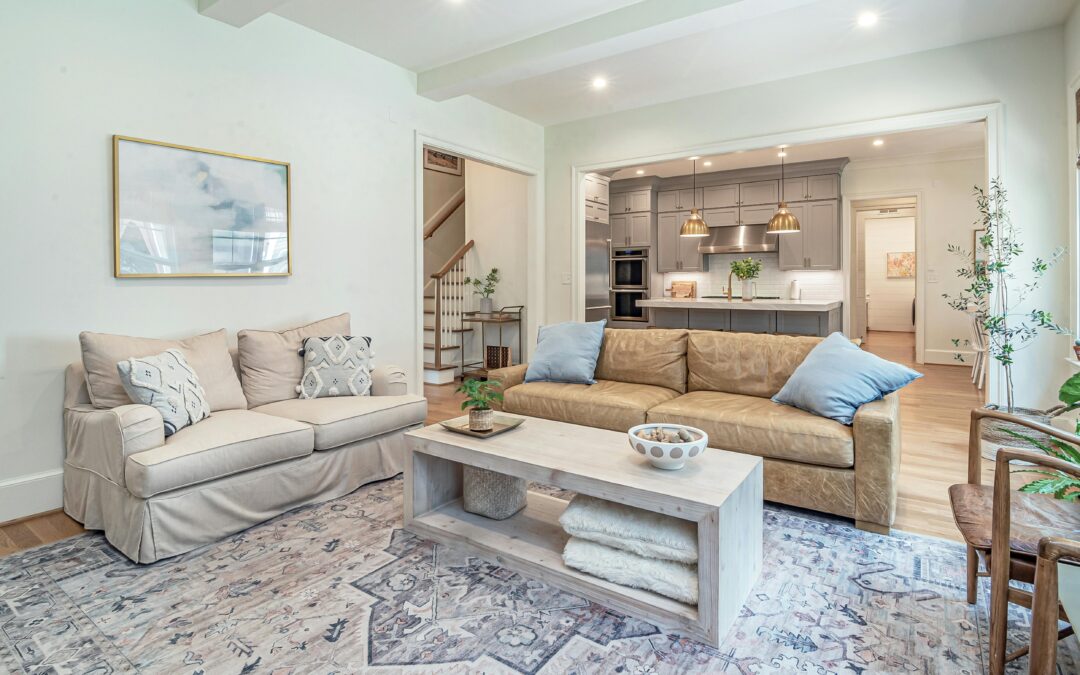
Starting with an empty room can feel both exciting and overwhelming. Four bare walls, a blank floor, and endless possibilities—where do you even begin? The secret to designing a space that feels cohesive, personal, and beautiful isn’t a big budget or a professional designer. It’s having a clear plan and using DIY décor to bring your vision to life. With a thoughtful, step-by-step approach, you can transform any blank room into a finished space that feels intentional and uniquely yours.
Step 1: Define the Purpose of the Room
Before picking up a paintbrush or scrolling décor ideas, get clear on how the room will be used. Is it a cozy living room meant for relaxing? A productive home office? A calming bedroom retreat? The function of the space should guide every decision you make, from layout to lighting.
Think about who will use the room and how often. A family room may need durable finishes and flexible seating, while a guest bedroom can focus more on comfort and atmosphere. Defining the purpose early prevents impulse purchases and helps you design with intention.
Step 2: Choose a Color Palette That Sets the Mood
Color is the foundation of any well-designed room. Start by selecting a primary color that reflects the mood you want to create—soft neutrals for a calming feel, warm tones for coziness, or bold hues for energy and personality. From there, build a simple palette of two to three complementary colors.
DIY décor shines here because it allows you to control and repeat your color choices throughout the room. Painted frames, handmade wall art, or refinished furniture in your chosen palette help create visual harmony. Remember, consistency matters more than complexity when designing from scratch.
Step 3: Plan the Layout Before Decorating
Once your color palette is set, focus on the layout. Decide where the main furniture pieces will go before adding any décor. Measure the room and map out furniture placement to ensure everything fits comfortably and allows for easy movement.
Designing the layout first prevents overcrowding and ensures that your DIY projects serve a purpose rather than becoming clutter. For example, a handmade console table works best when it’s designed to fit a specific wall, while custom shelves can be built to maximize vertical space in smaller rooms.
Step 4: Anchor the Room with Key Furniture Pieces
Every room needs anchor pieces that define the space. This could be a sofa in the living room, a bed in the bedroom, or a desk in a home office. Choose these items first, keeping scale and function in mind.
DIY doesn’t always mean building furniture from scratch—it can also mean customizing what you already have. Painting an old dresser, adding new hardware, or staining a wood table can turn basic furniture into statement pieces that set the tone for the entire room.
Step 5: Layer in Texture and Dimension
A room designed from scratch can easily feel flat if everything is the same color or material. This is where texture becomes essential. Use DIY décor to layer different finishes—wood, fabric, metal, and woven elements—to create depth and interest.
Think about projects like no-sew throw pillows, fabric wall hangings, wooden accent shelves, or framed textured art. Even small handmade details, like painted vases or wrapped planters, add dimension and make the space feel thoughtfully curated rather than store-bought.
Step 6: Create DIY Décor That Tells a Story
The most beautiful rooms feel personal, and DIY décor is the perfect way to achieve that. Instead of filling the space with generic accessories, create pieces that reflect your style and experiences. Gallery walls featuring personal photos, handmade art, or meaningful quotes instantly add character.
You can also repurpose everyday items into décor—turn jars into candle holders, create custom artwork with leftover paint, or refinish thrifted pieces to match your color palette. These projects don’t just decorate the room; they make it feel lived-in and authentic.
Step 7: Style with Balance in Mind
Once your DIY pieces are in place, step back and assess the room as a whole. Styling is about balance, not filling every surface. Mix heights, group items in odd numbers, and leave some negative space so the room can breathe.
This is the stage where small adjustments make a big difference. Moving artwork slightly lower, swapping pillow covers, or rearranging décor can instantly elevate the final look. Trust your eye and refine until the room feels comfortable and complete.
Step 8: Finish with Lighting and Final Touches
Lighting is the final layer that brings everything together. Use a mix of ambient, task, and accent lighting to enhance the mood of the room. DIY-friendly options like custom lampshades, painted lamp bases, or plug-in wall lights add warmth and personality without complicated installation.
Finish with personal touches—plants, books, cozy textiles, or scent elements like candles. These details may be small, but they transform a designed room into a welcoming home.
Turning Vision into Reality
Designing a room from scratch doesn’t have to be intimidating. By breaking the process into manageable steps and using DIY décor as your creative tool, you can transform a blank space into something beautiful, functional, and deeply personal. The result isn’t just a styled room—it’s a space that reflects your creativity and feels truly your own.